Closing Up After the Sale Without Losing Your Night
Closing the books on a sale day is a routine, and the barns that finish early treat it like one.
September 30, 2026 · 3 min read
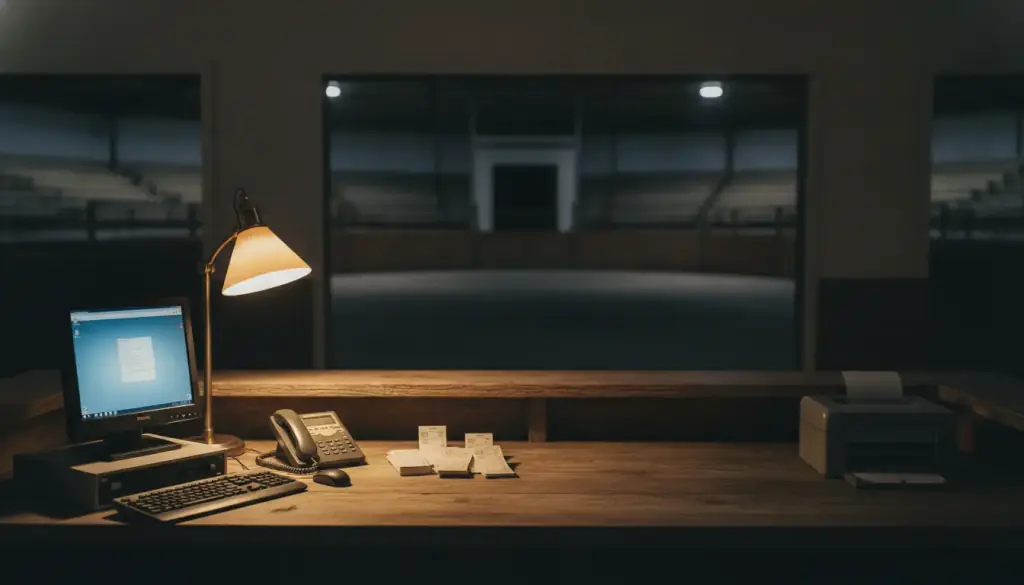
Every sale barn has a version of the same evening. The ring is empty, the pens are loading out, and the office is still lit up. Somebody is waiting on a buyer's invoice, somebody else is holding a seller's check until a number ties out, and the person who has to lock the building keeps glancing at the clock. Closing up is a job of its own, and it deserves the same planning as the sale.
Settle the sellers and buyers first
Sellers drive home with the day's income riding on the check you hand them, and buyers want to pay and load out. Both are waiting on your invoices. Start closing while the sale is still running, not after it ends. The invoice for a buyer whose purchases are finished can go out while the ring is still selling for everyone else.
The Office program from U.S. Livestock Systems covers the usual work: hauling, commission and vet charges, writing checks and printing invoices. It also emails buyer invoices straight from the workstation through Microsoft Outlook, and lets you handle a buyer trade in a few clicks. Emailing an invoice means one less trip to the printer and one less person waiting in line at the counter.
Balance the custodial account as a routine
Every barn keeps a custodial account that sits between what buyers pay and what sellers are owed. How you run yours is your business, but the barns that run one well all do the same thing. They reconcile against the bank on a schedule, every sale, rather than waiting for a month-end surprise. Reconciling one sale's worth of checks is a manageable task. Reconciling a pile of unreconciled sales is a weekend of detective work.
The Custodial Balancing module is built around that routine. You reconcile your checks from the bank statement, the system keeps track of accounts receivable, and it tracks your custodial account's bank balance. Deposits or adjustments to the account can be made there, and you can print a list of uncleared checks or a receivable list.
Uncleared checks are a signal, not a nuisance
A check that has not cleared after a normal interval is telling you something. Maybe the seller has not deposited it, maybe it was lost, maybe it was written for the wrong amount. The longer it sits, the harder it is to reconstruct why. A printed uncleared-checks list, reviewed after every sale, turns a vague worry into a short call list.
The same goes for receivables. A buyer carrying a balance should show up on a list that somebody reads at the end of each sale, not on one that gets dug out after the balance has become uncomfortable for everyone.
Reports at the end of a sale
A sale is not finished until the paperwork is. Most barns run a set of reports at the close of every sale: a check register, an invoice listing, a market report, and whatever seller and buyer history the office needs. The Reports program from U.S. Livestock Systems has over 50 reports, including Check Register and Invoice Listing, Market Reports, Seller and Buyer History, Beef Council and Pork Checkoff reports, and uncleared checks and accounts receivable. Custom reports can be made to fit a barn's needs.
When the reports come from the same data the ring clerk entered, nobody is rekeying numbers into a spreadsheet late at night. Rekeying is where errors creep in, and it is also where a tired person makes the one mistake nobody catches until a seller calls.
What closing up looks like when it works
Web Livestock Exchange in Benson, MN, described its experience this way: "It is a lot faster than our previous system and at the end of the sale we can close up quickly and efficiently." That is the goal. Not a heroic finish, but a dull one, where the last check goes out and the lights go off at a reasonable hour.
Here is a closing routine worth writing down and taping next to the office printer.
- Send invoices for finished buyers while the ring is still running.
- Write seller checks as soon as a seller's lots are settled.
- Reconcile the custodial account against the bank every sale.
- Print the uncleared checks list and the receivable list before you leave.
- Run the standard reports from the same data the clerk entered.
If your closing routine lives in one person's head, write it down this week. It is also the fastest way to train the next part-timer, and the next one after that.
U.S. Livestock Systems, Inc., (573) 682-1080
Call (573) 682-1080More articles
Where the Hours Go on Sale Day
The ring moves as fast as the cattle do, so the hours that push a sale past dark are almost always somewhere else in the building.
Why Keyboard-Only Ring Clerking Protects Your Numbers
The clerk's screen is where every invoice, check and report begins, so attention saved there pays off all the way to settlement.